
What Is Plaque and How Can You Keep It Under Control?
“What is dental plaque, and how to remove it safely?” is a common question, and its answer is simple: Dental plaque is a soft bacterial film that forms every day from what we eat. Brushing and cleaning between teeth remove it, but hardened tartar needs professional treatment. At Homewood-Flossmoor Dental Care in Homewood, IL, we help patients tell those needs apart. Here’s how to improve daily plaque control and recognize when more scrubbing won’t solve the problem.
What Is Dental Plaque?
Plaque is a sticky film containing bacteria that clings to tooth surfaces. It forms as part of the mouth’s normal activity, but leaving it in place allows harmful effects to develop. Some plaque bacteria produce acids when they use sugars from food and drinks.
Plaque and tartar aren’t interchangeable names. Tartar is plaque that has hardened through mineral deposits. You can disrupt soft plaque with daily cleaning, while tartar removal requires dental instruments.
If you can feel a rough area that never changes after brushing, have it checked rather than repeatedly scrubbing that one spot. Describe whether it feels hard or soft and where you notice it. An examination is needed to identify the deposit.
What Causes Plaque Buildup on Teeth?
Buildup occurs when plaque repeatedly remains in the same areas. A rushed brush may miss the inside surfaces of back teeth. Closely spaced teeth can hide deposits where bristles don’t reach.
Frequent sugary snacks give acid-producing bacteria repeated access to fuel. Dry mouth can add to the problem because saliva helps wash away food and buffer acids. Tell your dentist if your mouth often feels sticky or dry, especially after a medication change.
What Does Plaque Look Like?
Plaque is usually colorless and difficult to see. You may notice a fuzzy coating, but a smooth-looking tooth can still have plaque on it.
What people describe as yellow plaque on teeth may actually be hardened tartar or staining. Color alone can’t identify the deposit. A dental professional can determine what you’re seeing and how to remove it without damaging the tooth.
Disclosing products temporarily color plaque so missed areas are easier to see. Our dental team may recommend using plaque-disclosing tablets so that you can identify the areas where you’re routinely missing plaque. Use your results to improve your brushing technique, angle, and coverage, rather than brushing with more force.
What Happens If Plaque Is Left Untreated?
Acids produced within plaque can contribute to cavities. Along the gumline, plaque can also cause gingivitis, which often involves redness or bleeding. Untreated gum disease may progress to damage of the tissues and bone supporting teeth.
Early gum inflammation can often improve with appropriate care. More advanced disease requires treatment, such as the gum care available at our practice. A diagnosis determines which approach you need.
How to Remove Dental Plaque
Brush twice daily with fluoride toothpaste, taking about two minutes to clean the outer, inner, and chewing surfaces. Use a soft-bristled brush and gentle pressure. Clean between teeth daily with floss or another recommended interdental tool.
Give each part of your mouth its share of brushing time. Start on one side and work around systematically, covering inner surfaces as carefully as the fronts. A timer can help you reach two minutes without rushing. When a back tooth is difficult to reach, adjust the brush angle instead of pressing harder.
For tight spaces, gently guide floss between the teeth instead of snapping it into the gums. Your hygienist can demonstrate how to clean difficult areas, especially around back teeth. Ask to practice the movement during your visit so you can repeat it at home.
Professional Dental Plaque Removal
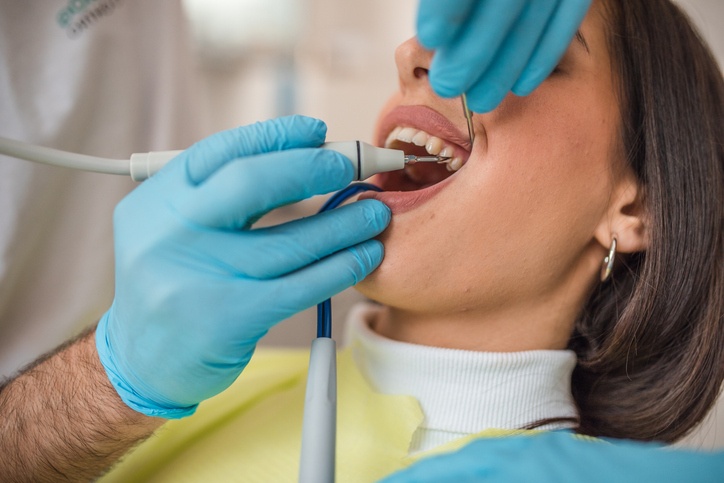
Professional dental plaque removal also addresses hardened deposits you cannot brush away. A hygienist uses instruments selected for the location and amount of buildup. Polishing may remove some surface staining afterward.
During preventative visits, we can point out areas that need more attention at home. Teeth with plaque buildup don’t all need the same treatment, particularly when gum pockets or inflammation are present.
Ways to Prevent Plaque Buildup
You can’t stop plaque from forming entirely, but you can keep it from accumulating. Build cleaning into reliable points in your day, including before bed. Keeping floss beside your toothbrush can make an easily skipped step harder to forget.
Choose water between meals and limit prolonged sipping of sugary beverages. Replace worn toothbrushes, and ask whether a different brush or interdental tool would make hard-to-reach areas easier to clean.
Consider when your routine tends to slip. If you’re too tired to brush at bedtime, brush earlier in the evening and avoid eating afterward. If cleaning between teeth gets forgotten, attach it to a consistent daily cue. Building brushing and flossing into your existing routine can make daily plaque control easier.
Signs You May Need Professional Dental Plaque Removal
Persistent bad breath or gums that bleed regularly are reasons to book an examination. A hard ridge near the gumline also needs a professional look. Don’t wait for pain to confirm that a deposit needs attention: Get help as soon as you feel you need it.
Common Mistakes That Lead to Plaque Buildup
Brushing only the surfaces visible in a smile leaves much of each tooth untouched. Another mistake is treating mouthwash as a replacement for physical cleaning.
Avoid scraping teeth with sharp tools bought online. You can injure gums or tooth surfaces without removing the entire deposit. Tartar should only be removed by a dental professional using instruments designed to clean teeth safely.
Clean between teeth even when no food feels stuck. Plaque isn’t always visible or noticeable to your tongue, so daily cleaning is more dependable than waiting until your teeth feel coated.
Schedule a Dental Cleaning Today
If a deposit stays put after normal cleaning, book a dental assessment at Homewood-Flossmoor Dental Care, rather than trying to scrape it off. If your concern is technique, bring your usual brush or interdental tool. We can show you how to reach the areas you’re missing and check whether professional removal is needed.