
Should I Use Mouthwash Regularly?
Should I Use Mouthwash Regularly for Oral Hygiene
Should I use mouthwash every day? Not everyone needs to. A rinse can help with a specific concern, such as cavity prevention, but it cannot replace brushing or cleaning between teeth. At Homewood-Flossmoor Dental Care in Homewood, IL, we help patients choose a product for an identified need to help your oral care routine achieve your goals.
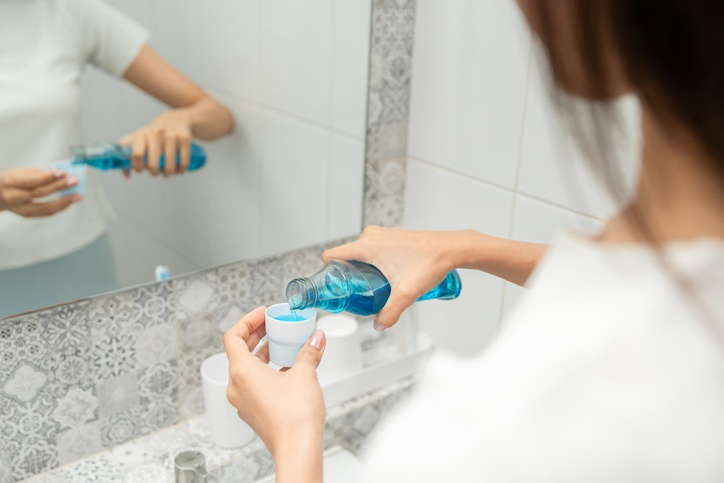
What Is Mouthwash and What Does It Do?
Mouthwash is a liquid rinse, but its effects depend on the ingredients. Cosmetic rinses mainly freshen breath temporarily and may have a slight whitening effect. Therapeutic formulas contain active ingredients intended to address concerns such as cavities or gingivitis.
Not all mouthwashes do the same thing, so check the label for the active ingredients. A rinse designed to help prevent cavities isn’t automatically a treatment for inflamed gums.
Compare the intended use on the label with your goal. A cavity prevention claim should point you toward fluoride, while a cosmetic breath rinse may offer only temporary freshness. Check the age and dosage guidance, as well. Two bottles with similar names can have different formulas, so read the directions again when changing products.
Should I Use Mouthwash Every Day?
Some people benefit from daily use. Someone prone to cavities may be advised to add a fluoride rinse, while a patient with gum inflammation may receive a different recommendation.
How often should you use mouthwash if you’ve never used it before? Follow the product label and your dentist’s instructions. Formulations differ, and using more than directed doesn’t improve the result. Prescription rinses should be used for the prescribed purpose and duration.
Benefits of Mouthwash
The benefits of mouthwash depend on choosing an appropriate product. Fluoride rinses help protect teeth against decay. Certain antimicrobial rinses can reduce plaque and gingivitis when used alongside daily cleaning.
For someone with dry mouth, an alcohol-free moisturizing rinse may improve comfort. It won’t necessarily resolve the cause, which could involve medication or another health issue. Mention ongoing dryness during your dental visit so we can look beyond the symptom.
Persistent bad breath is a good example of why the purpose comes first. A cosmetic rinse might help before a meeting, but recurring odor can have an underlying cause that needs attention. If bad breath keeps returning, your dentist can help identify whether gum inflammation or another issue is causing it.
Is Mouthwash Necessary for Oral Health?
No. Many people maintain healthy teeth and gums without it. Thorough brushing with fluoride toothpaste and daily cleaning between teeth remain the foundation of home care.
If your routine works well and your dentist hasn’t identified a reason for a rinse, you don’t need to buy one simply because it’s advertised. Mouthwash is an optional addition for some patients and a targeted recommendation for others.
Can Mouthwash Replace Brushing and Flossing?
Swishing is quick, but it doesn’t perform the physical cleaning that brushing and interdental care provide. It also cannot remove hardened tartar. Rinsing after lunch may leave your mouth feeling fresh while plaque remains along the gumline.
If flossing is difficult, ask about alternatives rather than replacing it with mouthwash. The team can demonstrate an interdental brush or another tool suited to the spaces between your teeth during preventative care.
How to Use Mouthwash Correctly
Measure the recommended amount and rinse for the time on the label. Spit it out; don’t swallow it. Follow the instructions regarding eating or drinking afterward.
Timing can also change how well your routine works. Using a rinse immediately after brushing can wash away concentrated fluoride left by toothpaste. A separate time, such as after lunch, may be preferable unless your dentist gives different directions for a prescribed product.
Keep mouthwash away from young children. It generally isn’t recommended for children younger than six unless a dentist advises otherwise, because they may swallow it.
Follow the recommended rinsing time on the label. Set a timer if you tend to guess, and use the measuring cap when one is provided. If the label says to avoid food or drinks afterward, choose a time when you can follow that instruction without immediately reaching for coffee or a snack.
Choosing the Right Mouthwash for Your Needs
Use the concern you’re treating to narrow the choice. For cavity prevention, ask whether a fluoride rinse would add value to your current routine. For recurring bleeding or bad breath, arrange an examination before choosing a product. If dryness makes rinsing uncomfortable, discuss an alcohol-free moisturizing formula and the possible cause of the dryness.
The ADA’s mouthwash guidance distinguishes products by their intended benefit. Its Seal of Acceptance can help identify evaluated products. Bring a bottle or label photo if you’re unsure. Prescription chlorhexidine can cause staining and should not become an indefinite daily habit without dental direction.
A burning sensation isn’t evidence that a rinse is doing a better job. If a product causes discomfort, stop using it and ask about an alternative. For a prescribed rinse, contact the dental team for advice rather than changing the dose yourself. Mention any sores or lingering irritation so those symptoms can be assessed.
Benefits From Adding Mouthwash to Your Routine
Mouthwash works best when it’s chosen for a specific need, such as cavity prevention or gum care. A lunchtime fluoride rinse might fit a cavity prevention plan. A short course of a prescribed rinse might support a specific treatment.
Persistent bad breath or bleeding gums needs an assessment, even when a rinse makes your mouth feel better. Our gum care team can evaluate the problem rather than leave you cycling through different bottles.
Try fitting a recommended rinse into a routine you already have instead of relying on memory at a random time. Keep track of what you use so you can discuss it at your next visit. Keep your routine manageable. Brushing and cleaning between your teeth should remain the priority.
Visit Our Dental Team for More Patient Information
Bring your current mouthwash or a photo of its label to your next visit at Homewood-Flossmoor Dental Care. We can help you check whether it addresses your concern and when to use it. If ongoing bad breath or gum bleeding prompted the purchase, arrange an examination so we can assess the cause.