
Teeth Whitening at Home vs. Professional: What’s Actually Safe & Effective?
When comparing teeth whitening at home vs professional treatments, the right choice depends on your goals, budget, and dental health. Store-bought whitening strips and toothpastes can help brighten your smile, while professional treatments offer stronger whitening options and guidance from a dental team.
Both approaches can be effective when used correctly, but neither works the same way for everyone. Understanding how whitening products work, what results to expect, and which methods carry potential risks can help you make an informed decision.
Why Do Teeth Become Discolored?
Before choosing a whitening method, it helps to understand why teeth change color. Discoloration generally falls into two categories: surface stains and deeper changes within the tooth.
Surface stains often develop from coffee, tea, red wine, tobacco, and certain foods. These stains collect on the enamel and may respond to whitening toothpaste or products containing bleaching ingredients.
Deeper discoloration can develop with age as enamel gradually thins and the yellowish dentin underneath becomes more visible. Certain medications, injuries, and developmental factors can also affect tooth color. These changes may be harder to treat with over-the-counter products.
It’s also important to remember that crowns, veneers, and tooth-colored fillings won’t whiten like natural teeth. If you have visible dental restorations or uneven discoloration, consult your dentist before starting treatment.
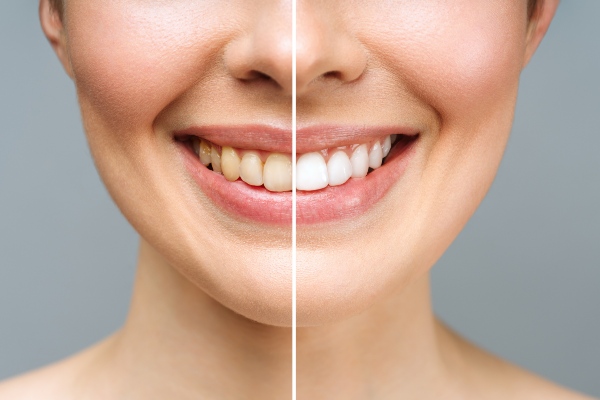
At-Home vs. Professional Teeth Whitening: A Side-by-Side Comparison
Both at-home and professional whitening can improve the appearance of natural teeth, but they differ in concentration, supervision, convenience, and the time needed to see results.
At-Home Whitening Products
At-home options include whitening strips, gels, trays, and toothpastes. Many whitening strips and gels use peroxide-based ingredients to lighten stains, while whitening toothpastes primarily help remove surface discoloration through polishing agents or other active ingredients.
These products appeal to people who want a convenient option without scheduling an appointment. Depending on the product and the degree of discoloration, results may appear over several days or weeks. However, results vary, and some stains may not respond well.
If you’re wondering, is home teeth whitening safe? It generally can be when you use a reputable product according to its directions and your teeth and gums are healthy. Overusing whitening products or leaving them on longer than instructed can increase the risk of sensitivity and gum irritation. Avoid unproven DIY methods, particularly acidic ingredients such as lemon juice, which can damage enamel.
Professional Teeth Whitening
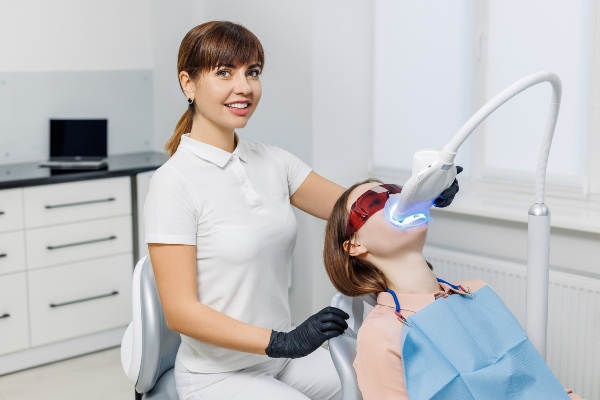
Professional whitening is performed or supervised by a dental professional. In-office treatments use carefully controlled whitening agents and may incorporate specialized equipment according to the treatment system. Some patients may notice a change after one appointment, although the degree of whitening depends on their starting tooth color and the type of stains present.
Another option is a dentist-provided take-home kit with custom-fitted trays and professional instructions. This approach allows you to whiten gradually at home while receiving guidance on how to use the product safely.
The professional teeth whitening benefits include an assessment of your oral health before treatment, advice tailored to your needs, and help managing sensitivity or irritation. A dental professional can also identify discoloration that may require a different approach rather than whitening alone.
Which Option Offers Better Results?
The best teeth whitening methods comparison depends on the type of discoloration you’re trying to address. Over-the-counter products may work well for mild surface stains, while professional treatments can offer more noticeable results for some types of discoloration.
Neither option guarantees a particular shade, and whitening won’t change the color of existing restorations. If you have deep stains, untreated cavities, gum inflammation, or significant sensitivity, a dental evaluation can help determine whether whitening is appropriate and which method may work best.
Teeth Whitening Safety & Effectiveness
Whitening can cause temporary tooth sensitivity or irritation of the gums, particularly when products are too strong, used too frequently, or applied incorrectly. Following directions and avoiding excessive treatment can reduce these risks.
Before whitening, address any untreated dental problems. Cavities, cracked teeth, and gum disease may make treatment uncomfortable or require attention first. If you already experience sensitivity, ask your dentist which products or methods may be suitable.
Common Teeth Whitening Myths
Misleading claims can make it harder to choose a safe approach. Keep these points in mind:
- Myth: Whitening Toothpaste Dramatically Changes Tooth Color. Most whitening toothpastes primarily remove surface stains and may not significantly change deeper discoloration.
- Myth: Natural Ingredients Are Always Safer. Acidic or abrasive DIY remedies can wear down enamel, even when they’re marketed as natural.
- Myth: More Whitening Means Better Results. Using products more often or for longer than directed can increase sensitivity and irritation without improving results proportionately.
- Myth: Whitening Works on Every Dental Surface. Whitening products affect natural teeth but won’t lighten crowns, veneers, or fillings.
If you’re unsure about a product’s ingredients or claims, ask your dental team before using it. At Hawthorn Dental St. Charles, we can help you compare whitening options based on your oral health and smile goals. If you’re in Homewood, IL, and want to explore professional whitening or determine whether at-home products are appropriate for you, contact our team to request an appointment.
Frequently Asked Questions
Whitening results depend on the product, the type of discoloration, and your dental health. These answers cover common questions about treatment, safety, effectiveness, and maintaining a brighter smile.
Professional whitening may provide longer-lasting results for some people, but longevity depends heavily on diet, oral hygiene, tobacco use, and other habits. Neither professional nor at home whitening prevents new stains from developing.
Some products produce visible changes within several days, while others require a few weeks of consistent use. Follow the product instructions and stop using it if you experience significant irritation or discomfort.
People with sensitive teeth may still have options, but whitening can temporarily increase discomfort. Ask your dentist about suitable products or approaches, particularly if sensitivity is persistent or severe.
Professional whitening may be worthwhile if you want guidance, an assessment of your oral health, or a more noticeable change than an over-the-counter product provides. The best choice depends on your budget, expectations, and type of staining.
You may be able to whiten your natural teeth, but whitening products won’t change the color of crowns or veneers. Talk with your dentist first to avoid uneven-looking results and determine the most appropriate option.