
The Truth About Enamel Repair: Can Tooth Enamel Grow Back?
If you’ve noticed tooth sensitivity or changes in your teeth’s appearance, you may be wondering whether damaged enamel can grow back. Tooth enamel protects the inner layers of your teeth from acids, bacteria, and everyday wear. Although enamel is the hardest substance in the human body, it can still weaken and wear away over time.
The important distinction is that enamel cannot regenerate once it’s been permanently lost. However, early mineral loss may be reversible through remineralization, which helps strengthen weakened enamel. Understanding the difference can help you protect your teeth and recognize when professional treatment may be needed. Learn more about enamel repair and remineralization.
What Is Tooth Enamel & Why Is It So Important?
Tooth enamel is the hard, outer layer that shields each tooth from damage. It helps protect against chewing forces, temperature changes, and acids produced by bacteria in dental plaque. Although enamel is strong, it doesn’t contain living cells that can rebuild it after it’s worn away.
How Enamel Repair & Remineralization Work
Enamel naturally loses small amounts of minerals when exposed to acids. Saliva helps neutralize those acids and supplies minerals, including calcium and phosphate, that can strengthen weakened areas. This process is called remineralization.
Fluoride can support this process by helping enamel become more resistant to future acid attacks. Using fluoride toothpaste, drinking water, and maintaining good oral hygiene can help protect areas where mineral loss has begun.
However, remineralization has limits. It may help reverse early mineral loss before a cavity forms, but it cannot replace enamel that’s been physically eroded or repair a hole caused by tooth decay. If damage has progressed, a dentist may recommend treatment to protect the tooth.
Common Tooth Enamel Loss Causes & Treatment Options
Understanding tooth enamel loss causes and treatment starts with identifying what’s weakening the protective surface. Common causes include:
- Acidic Foods & Drinks: Frequent exposure to citrus, soda, sports drinks, and other acidic products can soften enamel over time.
- Acid Reflux: Stomach acid reaching the mouth can contribute to erosion, particularly when reflux occurs regularly.
- Frequent Sugar Consumption: Oral bacteria use sugars to produce acids that contribute to mineral loss and cavities.
- Aggressive Brushing: Brushing too hard, especially when enamel has been softened by acid, can contribute to wear.
- Teeth Grinding: Repeated clenching and grinding can wear down tooth surfaces and increase the risk of cracks or sensitivity.
- Dry Mouth: Reduced saliva means less natural protection against acids and less support for remineralization.
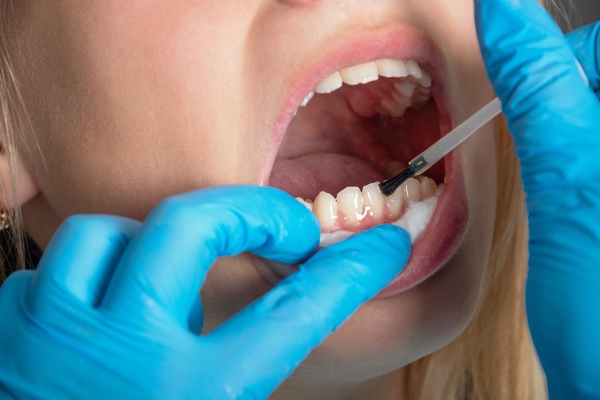
Treatment depends on the cause and extent of the damage. Early mineral loss may respond to improved oral hygiene and fluoride. More advanced erosion may require dental bonding, fillings, crowns, or other restorative treatment to protect weakened teeth.
Signs Your Enamel May Be Wearing Away
Recognizing the signs of enamel erosion and damage can help you address problems before they progress. Although these symptoms can have other causes, they deserve attention if they persist or worsen.
Increased Tooth Sensitivity
If hot, cold, sweet, or acidic foods cause discomfort, weakened enamel may be exposing the more sensitive layer underneath. Sensitivity can also result from gum recession, cavities, or cracks, so it’s important not to assume enamel erosion is the only explanation.
Yellowing or Changes in Tooth Appearance
Enamel is naturally translucent to some degree, so as it thins, the yellowish dentin beneath it may become more visible. Teeth may also develop smooth-looking surfaces, small chips, or edges that appear thinner or more transparent.
Rough Edges, Chips, or Indentations
Advanced enamel wear can change the shape and texture of teeth. Small chips or indentations near the gumline may indicate erosion or other forms of wear. A dental examination can help determine the cause and whether treatment is necessary.
How to Protect Tooth Enamel & When to See a Dentist
The best ways to protect tooth enamel focus on reducing acid exposure, supporting remineralization, and preventing further wear. Small daily habits can make a difference.
- Use Fluoride Toothpaste: Brush twice daily with fluoride toothpaste to help strengthen enamel and prevent cavities.
- Choose a Soft-Bristled Toothbrush: Use gentle pressure rather than scrubbing aggressively.
- Limit Frequent Acid Exposure: Reduce how often you sip acidic drinks throughout the day, and rinse your mouth with water afterward.
- Wait Before Brushing After Acidic Foods: Give softened enamel time to recover before brushing, generally around 30 to 60 minutes.
- Drink Water Regularly: Water helps rinse away food particles and supports normal saliva function.
- Address Grinding & Reflux: Talk with a dentist or healthcare provider about persistent grinding or acid reflux that may be contributing to enamel damage.
How to Restore Tooth Enamel Naturally
If you’re researching how to restore tooth enamel naturally, it’s important to separate realistic prevention from unsupported claims. You can’t regrow enamel that has already been lost, and home remedies can’t rebuild missing tooth structure.
You can, however, support remineralization by using fluoride toothpaste, drinking water, limiting sugary and acidic foods, and maintaining a consistent oral hygiene routine. Avoid rubbing teeth with lemon juice, vinegar, or abrasive powders, as these methods can cause additional damage rather than repair enamel.
When Should You See a Dentist?
Schedule a dental appointment if you have ongoing sensitivity, visible changes in tooth shape or color, chips, or pain when chewing. Early evaluation can help identify whether the issue involves enamel erosion, decay, grinding, or another condition.
At Hawthorn Dental St. Charles, we can evaluate changes in your enamel and recommend ways to protect your teeth based on your needs. If you’re in Homewood, IL, and have noticed sensitivity, discoloration, or signs of wear, contact our team to request an appointment. We’ll help you understand your options and take steps to preserve your remaining enamel.
Frequently Asked Questions
Enamel damage can be confusing because early mineral loss and permanent enamel erosion aren’t the same thing. These answers explain what can be repaired, what cannot grow back, and how to protect your teeth.
Early enamel mineral loss may be improved through remineralization, particularly with fluoride and good oral hygiene. However, enamel that has physically worn away cannot regenerate, and more advanced damage may require restorative dental treatment.
Fluoride supports remineralization and helps make enamel more resistant to acid attacks. It can help strengthen weakened areas, but it cannot replace enamel that’s already been lost.
No. Enamel doesn’t contain living cells capable of regenerating lost tissue. Saliva and fluoride can help remineralize early weakened areas, but they cannot regrow missing enamel.
Frequent exposure to acidic drinks, such as soda and sports drinks, can contribute to erosion. Sugary foods and drinks also feed bacteria that produce acids associated with tooth decay.
Sensitivity, yellowing, transparent-looking edges, and changes in tooth shape may indicate enamel wear. These signs can have other causes, so a dentist should evaluate persistent symptoms to determine the appropriate treatment.