
Sleep & Oral Health: The Link Between Sleep Apnea & Your Smile
The connection between sleep apnea and oral health is easy to overlook, especially when the main symptoms seem to happen at night. Sleep apnea interrupts normal breathing during sleep, potentially affecting sleep quality, energy levels, and overall health. It can also contribute to oral health concerns, including dry mouth, teeth grinding, and changes in the jaw.
Recognizing these connections can help you understand when symptoms deserve attention. Although a dentist can’t diagnose sleep apnea through an oral examination alone, dental visits can reveal warning signs and help you determine whether further evaluation may be appropriate.
The Connection Between Sleep & Oral Health
Sleep apnea occurs when breathing repeatedly stops or becomes restricted during sleep. Obstructive sleep apnea, the most common form, happens when the upper airway becomes blocked or narrowed. These interruptions can cause repeated awakenings, even when you don’t remember waking up.
How Sleep Apnea Affects Your Teeth & Gums
Understanding how sleep apnea affects your teeth and gums starts with recognizing some of the changes that can occur during sleep. People with sleep apnea may breathe through their mouths, particularly when nasal breathing is difficult. This can reduce moisture in the mouth and contribute to dry mouth, unpleasant breath, and a higher risk of tooth decay.
Saliva helps wash away food particles, neutralize acids, and protect tooth enamel. When the mouth stays dry, these protective effects may be reduced. Gum irritation and cavities can become more likely, particularly when dry mouth occurs alongside inconsistent brushing or frequent sugary snacks.
Another concern is bruxism, or grinding and clenching the teeth. Research has identified an association between sleep bruxism and sleep-disordered breathing, although the relationship is complex and grinding doesn’t necessarily mean someone has sleep apnea. Repeated grinding can wear down enamel, cause tooth sensitivity, and contribute to jaw discomfort.
Oral Signs of Sleep Apnea
Some oral signs of sleep apnea may appear during a routine dental examination. These signs aren’t proof of the condition, but they can provide useful clues when considered alongside other symptoms.
- Dry Mouth: Waking up with a dry or sticky mouth may indicate nighttime mouth breathing.
- Worn or Damaged Teeth: Flattened surfaces, chips, or sensitivity may suggest repeated grinding.
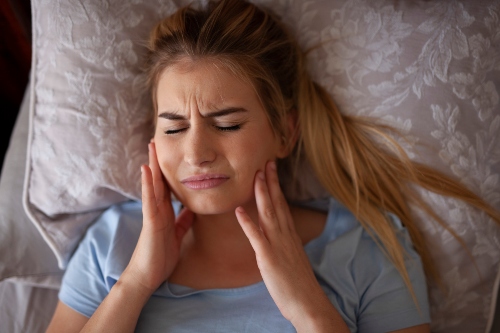
- Jaw Discomfort: Morning soreness or tension may be associated with clenching.
Changes in the Mouth’s Soft Tissues: Certain anatomical features, such as a crowded oral space or enlarged tissues, may be relevant when assessing possible airway concerns.
Other common sleep apnea symptoms include loud snoring, gasping during sleep, morning headaches, and excessive daytime tiredness. If you or a partner notices these symptoms, consider discussing them with a healthcare provider.
The Impact of Sleep Disorders on Dental Health
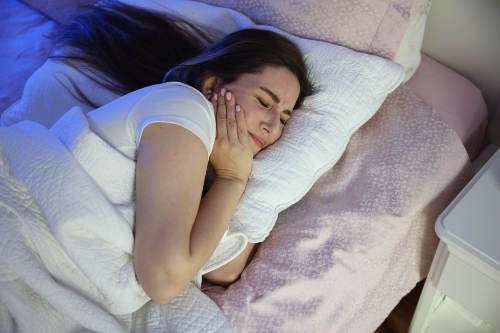
The impact of sleep disorders on dental health goes beyond sleep apnea alone. Poor sleep can make it harder to maintain consistent daily habits, while dry mouth and teeth grinding may create additional dental concerns. Some medications used to address sleep or other health conditions can also contribute to dry mouth.
These issues can overlap, making it difficult to determine the underlying cause without an evaluation. A dentist can examine your teeth and gums, identify signs of wear or decay, and discuss whether your symptoms suggest a need for medical follow-up.
Treatment Options for Sleep Apnea
Sleep apnea treatment depends on its type, severity, and underlying causes. A healthcare provider may recommend a sleep study to confirm the diagnosis and determine the most appropriate approach.
Continuous Positive Airway Pressure (CPAP)
Continuous positive airway pressure, commonly called CPAP, is a widely used treatment for obstructive sleep apnea. The device delivers a steady flow of air through a mask to help keep the airway open during sleep. Some people experience dry mouth with CPAP, particularly if air escapes through the mouth or the setup isn’t properly adjusted.
If dryness develops, discuss possible adjustments with your medical provider or equipment specialist. Humidification and mask-fitting changes may help, depending on the cause.
Oral Appliance Therapy
For some patients, a dentist with appropriate training can provide a custom oral appliance designed to reposition the lower jaw or tongue to help keep the airway open. These devices may be an option for certain people with obstructive sleep apnea, particularly those who cannot tolerate CPAP or prefer an alternative when medically appropriate.
An oral appliance isn’t the same as a standard night guard for teeth grinding. A night guard helps protect teeth from grinding forces but generally doesn’t treat sleep apnea. If you suspect both conditions, make sure your dentist knows about your symptoms before choosing a device.
Lifestyle Changes & Medical Care
Depending on individual circumstances, healthcare providers may recommend lifestyle changes as part of a broader treatment plan. These might include avoiding alcohol close to bedtime, adjusting sleep positions, or working toward a weight that supports overall health. Such changes aren’t a substitute for appropriate treatment when sleep apnea is significant.
Protecting Your Oral Health If You Have Sleep Apnea
If you have sleep apnea or suspect you may have it, a consistent oral care routine can help reduce preventable dental problems.
- Brush Twice Daily: Use fluoride toothpaste to help protect enamel against decay.
- Clean Between Your Teeth: Floss or use another suitable interdental cleaner every day.
- Manage Dry Mouth: Drink water regularly and ask your dentist about saliva-supporting products if dryness persists.
- Monitor Grinding: Report jaw pain, tooth sensitivity, or visible wear so your dentist can evaluate possible damage.
- Keep Regular Dental Visits: Checkups can help identify cavities, gum inflammation, and other concerns before they progress.
The dentist’s role in diagnosing sleep apnea is primarily to recognize possible warning signs, assess oral health, and refer patients for appropriate medical evaluation. A dentist may coordinate with a physician or sleep specialist, but a medical assessment and sleep testing are generally needed to establish the diagnosis.
At Hawthorn Dental St. Charles, we can help you address oral health concerns that may be associated with sleep problems. If you’re in Homewood, IL, and have persistent dry mouth, worn teeth, jaw discomfort, or other concerns, contact our team to request an appointment. We’ll evaluate your dental health and discuss whether further assessment may be helpful.
Frequently Asked Questions
Sleep apnea can affect people differently, and oral symptoms alone can’t confirm the condition. These answers explain common concerns and when it may be worth seeking professional guidance. Reach out if you have further questions about bruxism and sleep apnea connections, dry mouth sleep apnea causes, or our dentist’s role in diagnosing sleep apnea.
A dentist may notice signs such as worn teeth, dry mouth, or certain anatomical features that raise concern. However, diagnosing sleep apnea generally requires evaluation by a medical provider and a sleep study when indicated.
Sleep apnea and teeth grinding may occur together, but the relationship isn’t fully understood. Grinding can have several causes, so it’s important not to assume that bruxism means you have sleep apnea.
Some people with sleep apnea breathe through their mouths during sleep, which can dry oral tissues. CPAP use and certain medications may also contribute to dryness.
A standard night guard protects teeth from grinding but usually doesn’t keep the airway open. A custom oral appliance specifically designed for sleep apnea may help appropriate patients when recommended by a qualified provider.
Talk with a healthcare provider if you experience loud snoring, gasping during sleep, or persistent daytime sleepiness. Ask your dentist about oral symptoms such as ongoing dry mouth, jaw pain, or unusual tooth wear as well.