
How Stress & Mental Health Affect Your Teeth and Gums
Understanding how stress affects teeth and gums can help you recognize changes in your oral health before they become bigger problems. Stress is often associated with headaches, muscle tension, and trouble sleeping, but it can also affect your mouth. From grinding your teeth at night to neglecting your brushing routine during difficult periods, emotional strain can influence your smile in several ways.
Mental health and oral health are closely connected. Recognizing that relationship makes it easier to protect your teeth and gums while taking care of your overall well-being.
Understanding the Connection Between Mental Health and Oral Health
The mental health and dental health link involves both physical responses to stress and changes in everyday habits. When you’re under pressure, your body releases stress hormones that can influence inflammation, muscle tension, and other processes. Stress doesn’t automatically cause dental disease, but it can contribute to problems that affect your mouth.
Daily routines may also change when you’re anxious, overwhelmed, or feeling low. You might skip brushing before bed, snack more frequently, or put off scheduling a dental appointment. Over time, these habits can increase the risk of cavities, plaque buildup, and gum problems.
The impact of stress on oral health can also vary from person to person. Some people develop jaw pain from clenching, while others experience dry mouth or notice that their gums bleed more easily. Paying attention to these changes can help you determine when it’s time to adjust your habits or seek professional advice.
Mental Health Conditions That Can Impact Oral Health
Several mental health challenges can affect oral health, although their effects aren’t the same for everyone.
Chronic Stress & Teeth Grinding
One of the clearest examples of how stress affects teeth and gums is bruxism, or grinding and clenching your teeth. Stress and anxiety can contribute to this behavior, sometimes while you’re asleep and without realizing it. Repeated pressure can wear down enamel, cause tooth sensitivity, and strain the jaw muscles.
Stress related teeth grinding may also lead to headaches, jaw soreness, or discomfort when chewing. If you wake up with a tired jaw or notice that your teeth look flatter or chipped, bring it up at your next dental visit. A dentist can evaluate possible damage and determine whether a custom night guard may help protect your teeth.
Anxiety & Oral Health Habits
Can anxiety cause teeth problems? It can contribute to them, particularly when anxiety affects sleep, eating patterns, or daily self-care. Some people avoid dental visits because they fear discomfort or feel anxious about treatment. Delaying routine care can allow small concerns to become more difficult to manage.
Anxiety may also contribute to clenching, dry mouth, or a heightened awareness of ordinary sensations in the mouth. If dental appointments make you nervous, let your dental team know. Discussing your concerns and agreeing on a plan can make visits feel more manageable.
Depression & Reduced Self-Care
Depression can make everyday tasks feel exhausting, including brushing and flossing. When oral hygiene becomes inconsistent, plaque can accumulate, increasing the risk of cavities and gum inflammation. Some medications used to manage mental health conditions can also cause dry mouth, which may increase the risk of tooth decay.
If you’re struggling to maintain your usual routine, start with manageable steps. Brushing twice daily remains important, but setting reminders, keeping a toothbrush visible, or using a flossing aid may help make daily care easier. If medication causes persistent dry mouth, ask your healthcare provider or dentist about appropriate ways to manage it rather than stopping medication on your own.
Stress, Inflammation, & Gum Health
The stress and gum disease connection is worth understanding, especially if your gums are already irritated. Ongoing stress may affect the body’s inflammatory response and immune function, potentially making it harder to manage existing gum inflammation. Stress-related habits, including smoking, frequent sugary snacks, and inconsistent brushing, may add to the problem.
The effects of stress on gums and teeth aren’t always obvious at first. Redness, tenderness, bleeding while brushing, and persistent bad breath can indicate gum problems that deserve attention. These symptoms don’t necessarily mean stress is the cause, so a dental examination is important for identifying what’s happening.
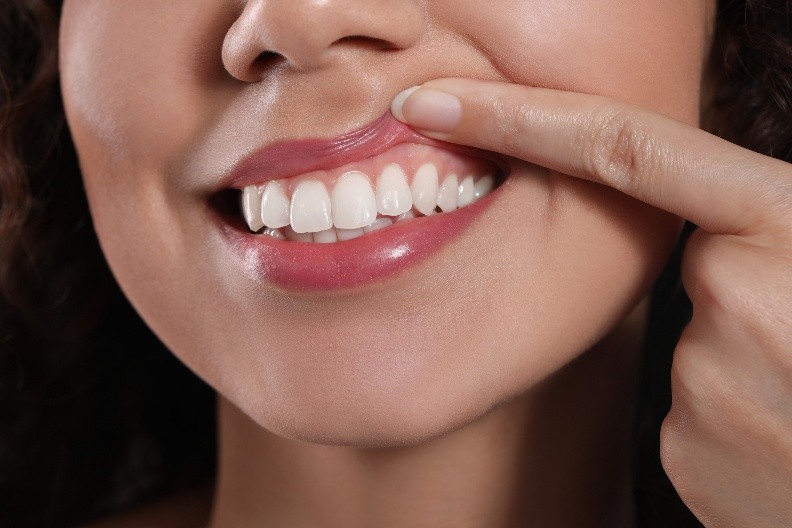
Signs Your Mental Health May Be Affecting Your Oral Health
Changes in your mouth can be a useful reminder to check in on both your oral hygiene and your overall well-being. Watch for signs such as:
- Jaw Pain or Morning Headaches: These may be associated with nighttime clenching or grinding.
- Bleeding or Tender Gums: These can indicate inflammation or gum disease.
- Persistent Dry Mouth: Reduced saliva can increase discomfort and the risk of cavities.
- New Tooth Sensitivity or Wear: Grinding, acid exposure, or enamel damage may be contributing factors.
- Skipped Oral Hygiene or Dental Visits: Difficulty keeping up with routine care can allow dental problems to develop.
These signs can have several causes, so avoid assuming that stress is responsible for every symptom. Regular dental visits help identify problems early and provide guidance suited to your needs.

Take Care of Your Smile During Stressful Times
You don’t need a complicated routine to support your oral health. Brush twice a day with fluoride toothpaste, clean between your teeth daily, drink water regularly, and keep up with dental checkups. Try to notice habits such as jaw clenching, and consider practical ways to manage stress, including gentle physical activity, adequate sleep, or talking with a qualified mental health professional.
At Hawthorn Dental St. Charles, we understand that oral health is connected to your overall well-being. If you’re in Homewood, IL, and have noticed tooth sensitivity, jaw discomfort, gum changes, or other concerns, we’re here to help. Contact our team to schedule an appointment and discuss the right next steps for your smile.
Frequently Asked Questions
Stress and mental health can affect oral health in different ways, and it’s not always easy to identify the cause of a symptom. Here are answers to common questions about protecting your teeth and gums during stressful periods.
Stress itself doesn’t directly destroy teeth, but persistent grinding can wear down enamel and sometimes cause chips or cracks. Early evaluation can help limit further damage.
Anxiety doesn’t necessarily cause bleeding gums directly. Stress-related changes in oral hygiene and the body’s inflammatory response may contribute, but bleeding can also be a sign of gum disease that needs professional attention.
No. Some people grind or clench their teeth while awake, especially when concentrating or feeling tense. Becoming aware of daytime clenching can help you work on relaxing your jaw.
Yes. Some medications can cause dry mouth, which may increase the risk of cavities. Don’t stop taking prescribed medication without medical advice; ask your healthcare provider or dentist about managing side effects.
Keep your routine simple: brush twice daily, floss once a day, drink water, and attend regular dental appointments. If you notice pain, bleeding gums, or persistent dryness, arrange a dental evaluation rather than waiting for symptoms to worsen.