
How to Choose the Right Toothpaste for Your Dental Needs
Walk down the toothpaste aisle, and you’ll find dozens of options promising whiter teeth, fresher breath, stronger enamel, and healthier gums. With so many formulas available, figuring out which one belongs in your bathroom can feel surprisingly complicated. The good news is that choosing the right toothpaste doesn’t have to be difficult once you understand what different ingredients do.
Your ideal toothpaste depends on your oral health, personal preferences, and any concerns you want to address. Some people need extra help with sensitivity, while others want to prevent cavities or reduce surface stains. Understanding your options can help you make a more informed choice and build a dental care routine that supports your long-term oral health.
Why Choosing the Right Toothpaste Matters
Toothpaste does more than freshen your breath. When used with proper brushing and flossing, it helps remove plaque, protect tooth enamel, and reduce your risk of developing cavities. The ingredients in your toothpaste can also address specific concerns, including sensitivity, surface discoloration, and tartar buildup.
For most people, fluoride is one of the most important ingredients to look for. Fluoride helps strengthen enamel and supports remineralization, which can repair early mineral loss before a cavity develops. However, toothpaste alone can’t reverse every form of tooth damage or replace professional dental care.
The best toothpaste for your needs should provide reliable everyday protection while addressing any additional concerns you have. Rather than choosing a product based solely on its flavor, packaging, or marketing claims, look at its active ingredients and intended purpose.
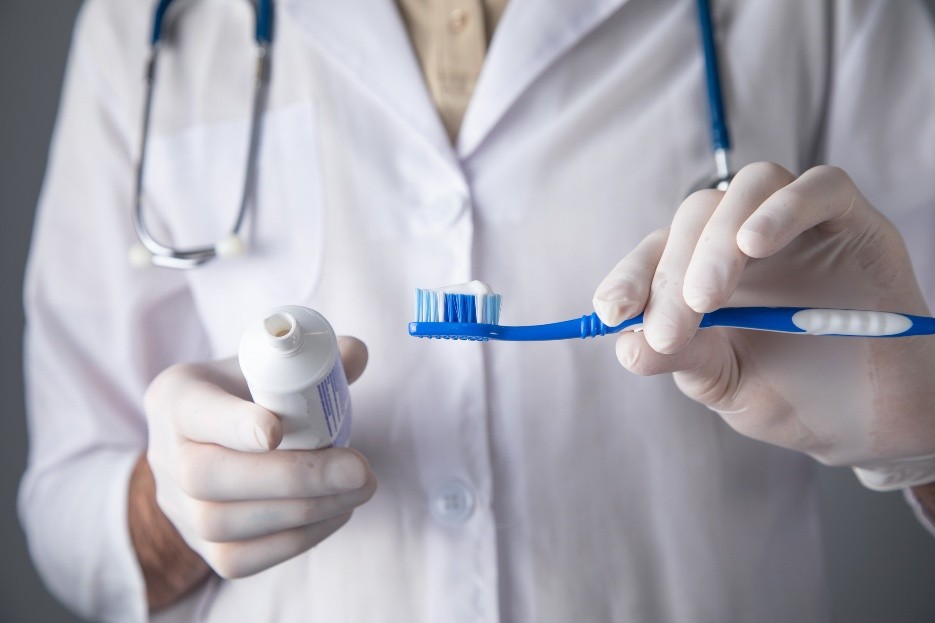
Types of Toothpaste & Who They’re Best For
Different formulas serve different purposes. Understanding these options can help you narrow your choices.
Fluoride Toothpaste for Cavity Prevention
For most adults, fluoride toothpaste is a strong starting point. It helps remineralize weakened enamel and makes teeth more resistant to acid attacks from plaque bacteria and sugary or starchy foods.
When comparing fluoride vs non-fluoride toothpaste, consider your cavity risk and dental history. Non-fluoride formulas may help clean teeth, but they don’t provide the same established fluoride protection against tooth decay. If you have frequent cavities, exposed roots, or other risk factors, ask your dentist whether you need additional fluoride protection.
Toothpaste for Sensitive Teeth
If cold drinks, hot coffee, or sweet foods trigger discomfort, the best toothpaste for sensitive teeth may help. These products commonly contain ingredients such as potassium nitrate, which helps reduce sensitivity, or stannous fluoride, which can help protect exposed dentin.
Sensitivity toothpaste usually works best when used consistently rather than just once when discomfort occurs. Follow the product directions, and give it time to work. Persistent or worsening sensitivity should be evaluated because cavities, cracks, gum recession, and other problems can cause similar symptoms.
Whitening Toothpaste
The best toothpaste for whitening teeth generally focuses on removing surface stains caused by coffee, tea, tobacco, and certain foods. Many whitening formulas use mild abrasives or other ingredients to help lift discoloration during brushing.
These products typically don’t change the natural underlying color of teeth as dramatically as professional whitening treatments can. Some formulas may also increase sensitivity, particularly when used too aggressively or alongside other whitening products. Choose a product designed for regular use and follow its directions.
Toothpaste for Gum Health
If plaque buildup or gingivitis is a concern, look for toothpaste formulated to support gum health. Certain products containing stannous fluoride can help reduce plaque and gingivitis when used as directed. Brushing along the gumline and flossing daily are equally important because toothpaste can’t remove all the plaque between teeth.
For toothpaste for cavities and gum health, a fluoride formula designed for everyday protection may be a sensible choice. If your gums bleed regularly, feel swollen, or appear to be receding, schedule a dental evaluation instead of relying on a toothpaste change alone.

Tartar Control & Other Specialized Formulas
Tartar-control toothpaste can help limit the formation of hardened plaque, also called tartar. Once tartar develops, however, brushing won’t remove it; professional cleaning is needed.
Other products target concerns such as dry mouth, bad breath, or enamel protection. When comparing toothpaste for different dental needs, prioritize the problem you’re trying to address instead of assuming a product that promises multiple benefits will necessarily be the best fit.
How Your Age & Lifestyle Affect Toothpaste Choice
Your oral health needs can change throughout life. Children need age-appropriate toothpaste and supervision while brushing, especially when they’re young enough to swallow it. Follow current dental guidance for the amount of fluoride toothpaste appropriate for your child’s age, and ask your dentist if you’re unsure.
Adults may need specialized formulas because of gum recession, dry mouth, sensitivity, or a history of frequent cavities. Certain medications and health conditions can reduce saliva production, making it harder for the mouth to naturally wash away food particles and neutralize acids.
Lifestyle habits also matter. Frequent consumption of sugary or acidic drinks can increase the risk of enamel damage and decay. Coffee and tea may contribute to surface staining, while tobacco can discolor teeth and affect gum health. Your toothpaste can help address some of these concerns, but brushing twice daily, flossing, drinking water, and maintaining regular dental visits remain essential.
When Should You Ask Your Dentist for a Recommendation?
Choosing toothpaste is usually straightforward, but certain symptoms or dental conditions warrant professional guidance. We recommend asking a dental professional for personalized advice if you experience persistent sensitivity, frequent cavities, bleeding gums, ongoing dry mouth, or noticeable changes in your teeth.
You should also seek guidance if you’re considering prescription-strength fluoride products or aren’t sure whether a whitening formula is appropriate for your enamel. A dentist can assess your teeth and gums, identify potential causes of discomfort, and recommend products suited to your needs.
If you’re still wondering how to pick toothpaste for oral care, start with a fluoride formula that offers dependable cavity protection, then consider whether you need additional benefits. The right choice should complement a consistent routine rather than replace it.
Get Personalized Toothpaste Recommendations
At Hawthorn Dental St. Charles, we help patients make informed decisions about their oral health, including choosing products that support their individual needs. If you’re experiencing sensitivity, recurring cavities, gum concerns, or questions about fluoride and whitening, we’re happy to discuss your options. If you’re in Homewood, IL, or the surrounding area, contact our team to learn more about our dental care services and schedule a visit.
Frequently Asked Questions
Choosing toothpaste can raise questions about ingredients, effectiveness, and everyday use. Here are answers to a few common concerns.
For most people, fluoride toothpaste provides better-established protection against cavities because it strengthens enamel and supports remineralization. Your dentist can help determine whether a non-fluoride product or a specialized formula is appropriate for your circumstances.
Some people notice improvement within a few days, while others need several weeks of consistent use. Follow the product directions, and consult a dentist if your sensitivity persists or worsens.
Whitening toothpaste designed for regular use is generally safe when used as directed. However, overly abrasive products or aggressive brushing can contribute to wear, and some formulas may increase sensitivity. Ask your dentist if you’re concerned about enamel damage.
Possibly. Changes in gum health, saliva production, sensitivity, and cavity risk may make a different formula more suitable. Your dental history and current needs are better guides than age alone.
For adults, a pea-sized amount of fluoride toothpaste is generally sufficient. For young children, use the age-appropriate amount recommended by dental professionals and supervise brushing to reduce swallowing.